
The short answer
- Cost is driven by guest nights, not guest count. Two hundred guests staying two nights is a bigger commitment than four hundred guests attending one evening and going home.
- The share of guests who need rooms is the single largest lever. Everything else, decor, menu, even guest count, moves the total less.
- A two-day wedding is not twice a one-day wedding. The second day adds meals and rooms but reuses the venue booking, much of the decor and the whole setup effort.
- Your date can change the total more than any decision you make about the wedding itself, because peak muhurat dates between November and February carry the year's concentrated demand.
- Destination weddings are often cheaper than families expect, because one venue removes inter-venue transport, duplicate decor and the coordination cost of functions spread across a city.
- Bhopal is increasingly a destination for families from smaller Madhya Pradesh towns and from outside the state, not only for people travelling to it from far away.
Search for the cost of a destination wedding in Bhopal and you will find either no figure or a figure so heavily assumed that it tells you nothing about your own wedding. The reason is straightforward: destination weddings vary more than any other kind, because they have more moving parts than a single-evening function.
What is genuinely useful is the structure. Once you know which decisions move the total a lot and which move it barely at all, you can shape the wedding you want and know in advance where the money is going. Most families discover this order the hard way, halfway through planning.
The short version, and the thing to carry into every conversation with a venue: a destination wedding is priced in guest nights, not guest heads.
What makes a wedding in Bhopal a destination wedding?
The phrase suggests somewhere far away, but in practice it describes a format rather than a distance. A destination wedding is one where your guests travel to a place, stay there, and the wedding happens around them over more than one day.
By that definition Bhopal has quietly become a destination for two groups. The first is families from the smaller towns across Madhya Pradesh, Sehore, Vidisha, Raisen, Hoshangabad and further out, for whom Bhopal is the nearest city with venues that can hold a full multi-day wedding. The second is families originally from Bhopal who have moved to Delhi, Mumbai, Pune or abroad, and who come back to marry where the extended family still lives.
For both, the wedding has the same shape: most guests are not sleeping at home, several functions run across two or three days, and the venue is doing more than hosting an evening. That shape is what changes the cost structure, and it is why a destination wedding cannot be priced like a reception.
What actually drives the cost, in order?
Families usually assume guest count sits at the top of this list. It does not, at least not directly. Here is the order that matters, ranked by how much each one moves the total.
| Driver | How much it moves the total | Why |
|---|---|---|
| Number of guest nights | Most of all | Rooms are per room per night, and this compounds across both guests and days. |
| Number of functions | Very high | Each function adds a meal, a setup and often decor. This is the second multiplier. |
| Your date | Very high | Peak muhurat dates between November and February carry concentrated demand. |
| Meals served across the days | High | A multi-day wedding feeds guests repeatedly, not once. Breakfasts and lunches add up quietly. |
| Guest count | Moderate | It scales catering, but far less than nights and functions do. |
| Decor scale | Moderate, and highly variable | Entirely within your control, and the one families over-weight when planning. |
| Travel and transfers | Low to moderate | Falls sharply if everything is on one property. |
Why do guest nights matter more than guest count?
This is the idea that reorganises the whole budget, and it is worth sitting with.
Consider two weddings. The first has four hundred guests who attend one evening and drive home. The second has two hundred guests who arrive on Friday and leave on Sunday. The first has twice the guest list. The second is almost always the larger undertaking, because two hundred guests across two nights is four hundred room nights, plus five or six meals rather than one, plus functions spread across three days.
So the number to establish early is not how many people are coming. It is how many of them need a bed, and for how many nights. That figure drives rooms directly, drives catering through the extra meals, and drives the function count because guests who have travelled and stayed expect more than one event.
It is also the most controllable number in a destination wedding, and the one families examine last. Working through the guest list and marking who genuinely needs a room, who is local, and who might arrive on the morning rather than the night before, often changes the total more than any negotiation with a venue will.
Do not ask how many guests are coming. Ask how many need a bed, and for how many nights. That number decides more than any other.
Is a two-day wedding twice a one-day wedding?
No, and this surprises people in a useful direction. The second day is meaningfully cheaper than the first, because a good deal of what you paid for on day one carries over.
The venue booking, the setup effort, the structural decor, the lighting rig and the coordination are largely one-time costs. What the second day genuinely adds is another night of rooms, more meals and whatever decor is specific to that function. So a two-day wedding is commonly well under twice a one-day wedding, and a third day adds proportionally less again.
This matters when you are deciding what shape the wedding should take. Families sometimes compress functions into a single exhausting day believing it is the economical choice, when spreading across two days costs less than the difference in how it feels. The honest counterpoint is rooms: if the compressed day means most guests do not stay overnight at all, that version genuinely is cheaper, because you have removed the largest driver entirely.
| Format | What it adds over the previous row | Best suited to |
|---|---|---|
| One day, guests travel home | Baseline. One venue booking, one main meal, minimal rooms. | Mostly local guests, a single main function. |
| One day plus overnight stay | One night of rooms and typically two extra meals. | A late reception where guests should not drive home. |
| Two days | A second night, several more meals, one or two more functions. Reuses setup and structural decor. | The common destination format: haldi and mehndi, then the wedding. |
| Three days | A third night and further meals. Adds proportionally less than day two did. | Larger family weddings with sangeet as its own evening. |
How much does your date change the total?
More than most decisions you will make about the wedding itself, and this is the lever families use least.
Wedding dates in India cluster hard. Dates resume after Chaturmas in November and run through the winter, and that window carries both the pleasant weather and the bulk of the year's auspicious dates. Every family working from the same panchang is looking at the same handful of days, and venues, caterers, decorators and photographers all price against that concentrated demand.
The practical consequence is that the same wedding, at the same venue, with the same guest list, is a different proposition on a peak Saturday in December than on a weekday in a quieter month. Availability moves too, and often it is availability rather than cost that decides things: on the most contested dates the venue you want may simply be gone.
This is why flexibility is worth more than negotiation. Ask your family pandit for two or three possible muhurats rather than one, then ask each venue to quote all of them together. Seeing the same wedding priced across your options, at the same venue, shows you immediately which date is the least contested. Families who arrive with one fixed date give up that lever entirely before they have started.

What makes a destination wedding cheaper than expected?
The format has a reputation for being the expensive option. Some of that is fair, because of the rooms. But several real savings run the other way, and they are rarely counted.
- No inter-venue transport. Functions spread across a city need vehicles, drivers and coordination for every movement, and the elderly guests need the most of it. On one property that line disappears entirely.
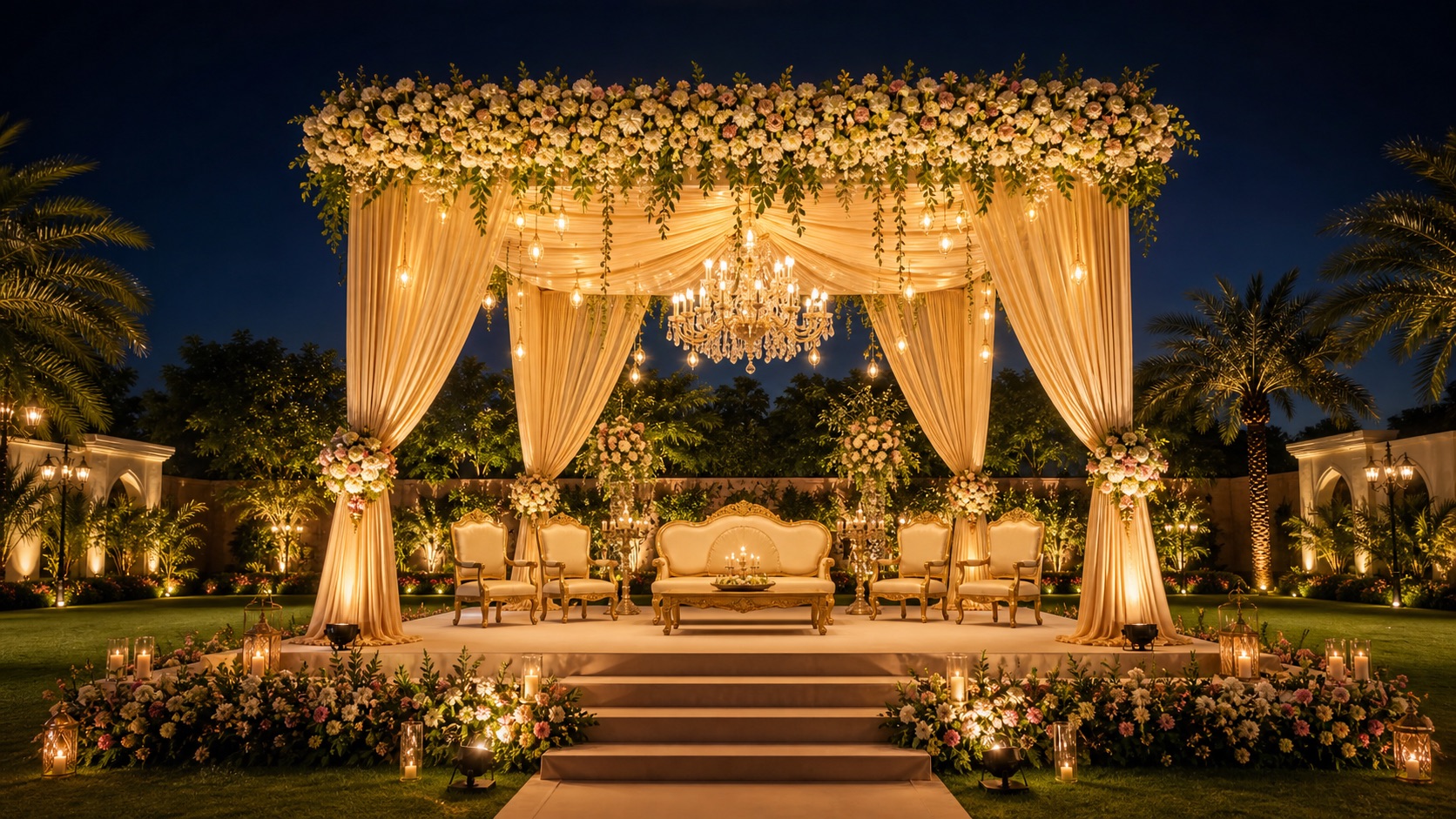
- Decor is built once. A mandap, a stage and a lighting setup installed at one venue can be adapted across functions. Functions at three locations mean three setups, three teams and three installation windows.
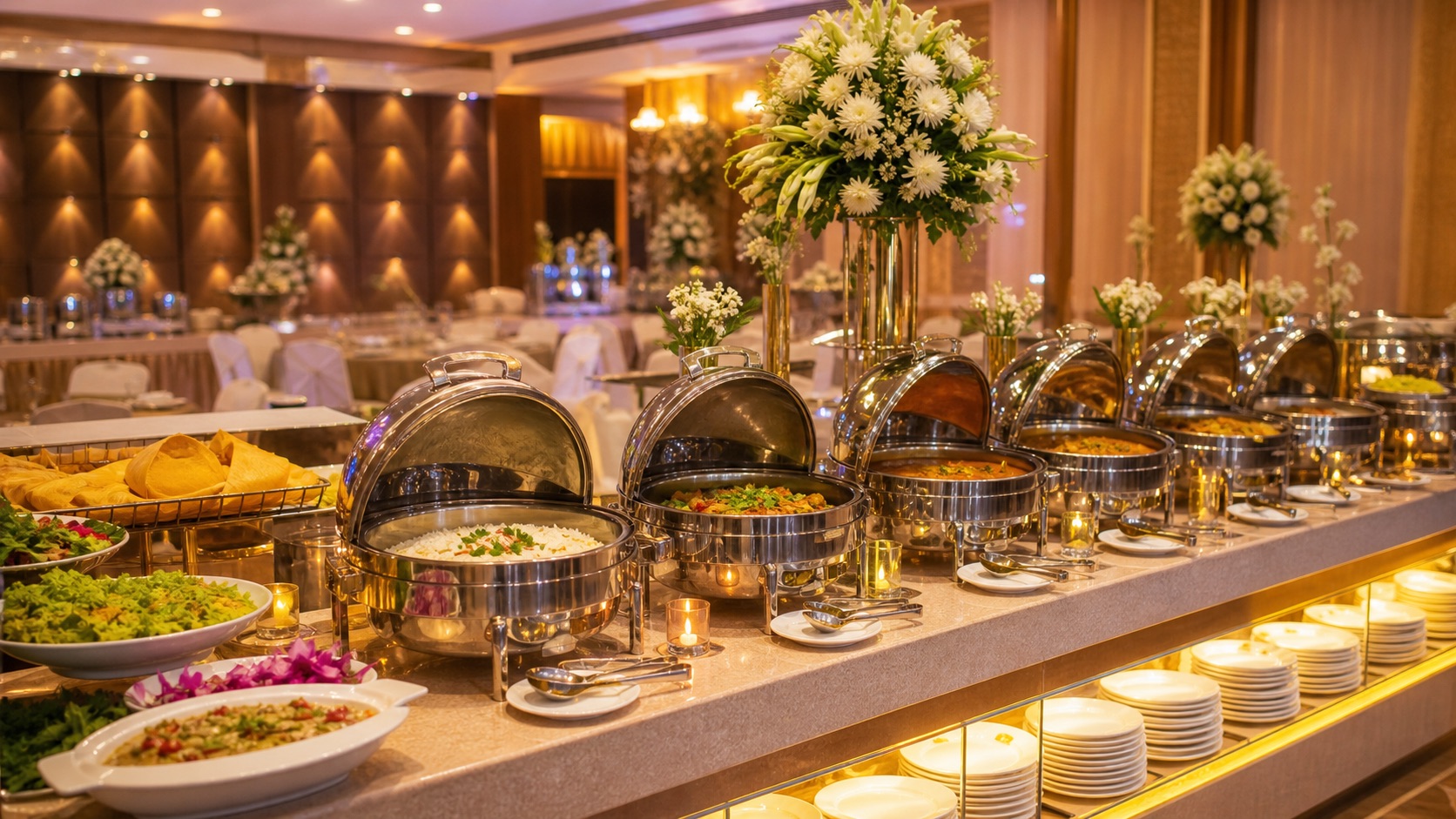
- Catering runs from one kitchen. Feeding guests repeatedly from a single in-house kitchen is more efficient than commissioning separate arrangements at separate venues, and it removes the outside vendor charges that several venues apply.
- Fewer things go wrong, and mistakes cost money. Most wedding overruns come from coordination failures: a delayed function, a vendor arriving at the wrong place, hours running past the booked window. A single property removes most of the situations where that happens.
- Guests spend less themselves. This is not your budget, but it is a real cost your family bears. Guests who stay on site are not paying for hotels and taxis across three days, which matters when a large part of the guest list has travelled to be there.
What should you ask a venue for a multi-day wedding?
The questions that matter for a destination wedding are different from those for a single function, because you are booking a property over time rather than a room for an evening.
- 01
Establish room availability on your dates first
Not the hall, the rooms. Rooms are the constraint on a destination wedding, and the number available on consecutive nights is the real capacity.
- 02
Ask what happens between functions
Guests have hours to fill. Establish what is open, where they can sit and eat, and whether that is included or arranged separately.
- 03
Count every meal, not every function
Two days means breakfasts, lunches and teas as well as the main dinners. Ask the venue to list every meal in the quote so nothing surfaces later.
- 04
Confirm whether the property is exclusively yours
Ask whether another function or other guests share the property on your dates, and what exactly is shared.
- 05
Ask about check-in and check-out timings
A standard checkout the morning after a late reception is the most common friction on a multi-day wedding. Agree it in advance.
- 06
Quote all your possible dates together
Ask for the same wedding priced across each of your muhurat options at once, so you can see which date the venue treats as peak.
What do guests do between the functions?
This is the question that separates a destination wedding people enjoy from one they endure, and it appears on no budget sheet.
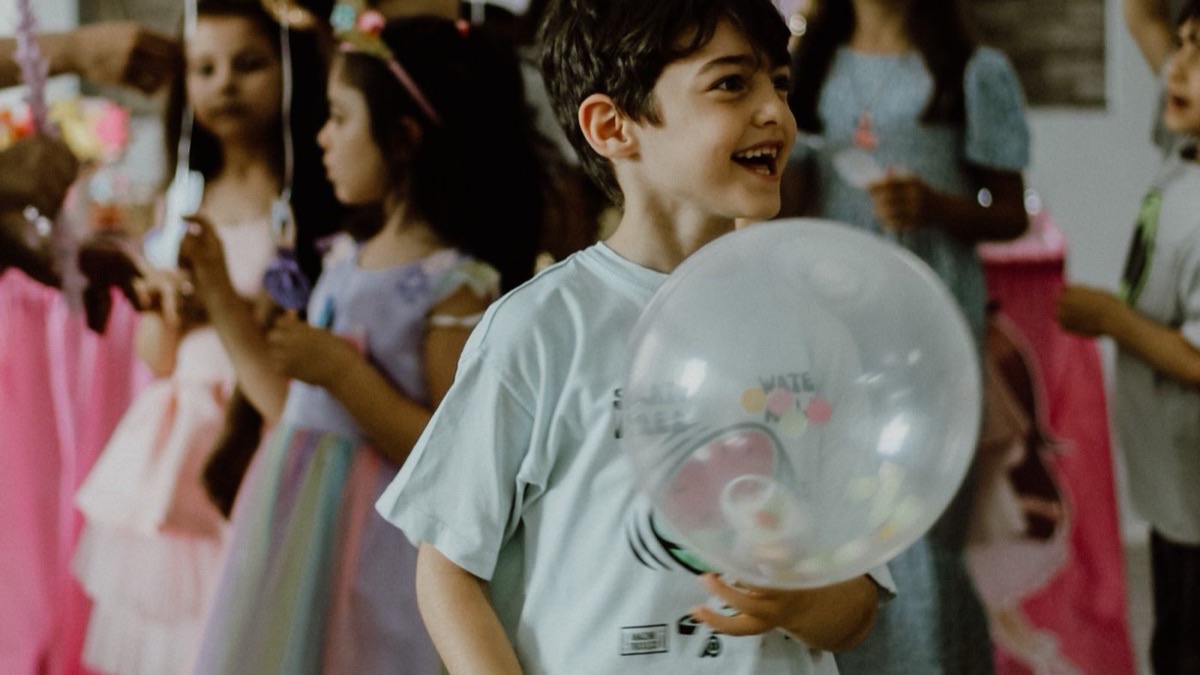
A two-day wedding has perhaps five hours of actual functions in it. The rest is gaps. Guests who have travelled, checked in and dressed for a mehndi at four in the afternoon have to do something between breakfast and then, and if the answer is sit in a room, the wedding starts to feel long. This is felt most by the people you least want to inconvenience: elderly relatives who cannot walk far, and families with small children who need somewhere the children can go.
Venues vary enormously here, and most families never ask. What is open during the day. Where can a group of twenty sit and talk without booking anything. Is there tea available at four when nothing is scheduled. Can children swim, and is the pool supervised or does that fall to the parents. Is there shade outdoors in the summer months and somewhere warm indoors in the winter ones.
None of these appear on a quote, and all of them decide what your guests remember. A property where people can gather informally between functions does more for a destination wedding than an extra course at dinner. It is worth walking a venue at an ordinary hour rather than only at function time, and asking where the gaps get filled.
A two-day wedding is mostly gaps. Ask where your guests sit between functions, because that is what they will actually remember.
Where do families overspend?
Three patterns recur, and all three are avoidable once you have seen the cost structure set out above.
The first is over-ordering food across a multi-day wedding. A wide menu at every meal across three days is the single largest source of waste at a destination wedding, and almost none of it is noticed by guests. People eat a normal amount at breakfast and lunch and then a full dinner. Scaling the main dinner properly and keeping the intermediate meals genuinely simple saves a great deal and costs nothing in how the wedding feels.
The second is decor at functions nobody photographs at length. Budget concentrates naturally on the mandap and the reception stage, and it should. Elaborate installations for a daytime haldi that runs ninety minutes rarely earn their place, particularly outdoors in the dry months when wind will be working against them all day.
The third is booking rooms for a guest list that has not been confirmed. Families commonly hold rooms for everyone who might come, then release them late or pay for them anyway. Since rooms are the largest driver in this format, an accurate room list is worth more than any other single piece of planning. Ask both families for their genuine overnight numbers early, ask specifically who is local and going home, and revisit it once invitations have gone out rather than once.
The saving in all three cases comes from the same place: matching the spend to what guests actually experience rather than to what feels appropriate for a wedding.
Destination weddings at The Heritage Resort
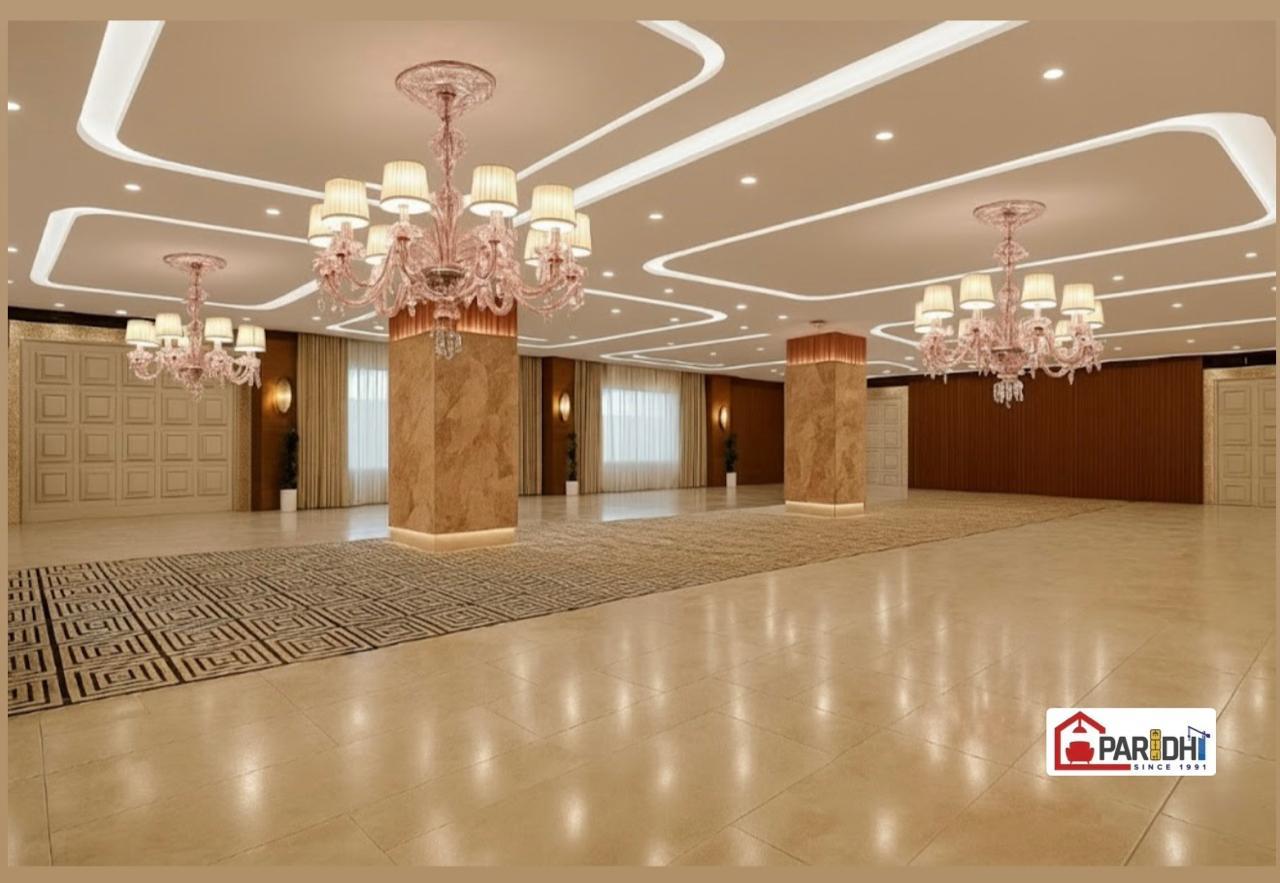
The Heritage Resort in Misrod is set up for the format this guide describes: an open-air marriage garden for 1000 or more guests, an air-conditioned banquet hall, guest rooms on the property, in-house catering with vegetarian, Jain and multi-cuisine menus, a pool, and parking for 200 or more cars, all on one set of grounds off Hoshangabad Road near 11 Mile and Indus Towne.
For a two or three day wedding that means the haldi, the mehndi, the sangeet, the ceremony and the reception can each use whichever space suits them without anyone leaving the property. Family staying on site are beside the functions rather than travelling to them, and the gaps between events are a walk rather than a convoy. That is the structural saving described above, and it is also the reason these weddings tend to run to time.
Quotes are built from your own function list and itemised, so rooms, catering, spaces and extras appear as separate lines rather than one bundled figure. To get one, send your dates, how many guests will need rooms and for how many nights, your full function list with timings and your menu type, on WhatsApp or by calling +91 82697 88505.
Frequently asked questions
- What decides the cost of a destination wedding in Bhopal?
- Guest nights first, then the number of functions, then your date. Rooms are charged per room per night, so the figure compounds across both your guest list and the number of days. Guest count matters less than families expect, because it mainly scales catering while nights and functions multiply almost everything.
- Why do guest nights matter more than guest count?
- Because they compound. Four hundred guests at a single evening is one meal and almost no rooms. Two hundred guests across two nights is four hundred room nights and five or six meals. The second wedding has half the guest list and is usually the larger undertaking, which is why the number to establish early is how many people need a bed.
- Is a two-day wedding twice the cost of a one-day wedding?
- No, usually well under. The venue booking, setup, structural decor, lighting and coordination are largely one-time costs that carry across both days. What day two genuinely adds is another night of rooms, more meals and any decor specific to that function. A third day adds proportionally less again.
- Does the wedding date change the cost?
- Significantly, and often more than any decision about the wedding itself. Dates resume after Chaturmas in November and cluster through the winter, so that window carries concentrated demand across venues, caterers and decorators. Ask your pandit for two or three possible muhurats and have every venue quote all of them together.
- Is a destination wedding more expensive than a normal wedding?
- Not automatically. Rooms push it up, but a single property removes inter-venue transport, duplicate decor setups, separate catering arrangements at each venue and much of the coordination risk that causes overruns. Whether it costs more depends almost entirely on how many guests need rooms and for how many nights.
- Can you have a destination wedding in Bhopal if the family is from Bhopal?
- Yes, and it is common. The format describes how the wedding runs rather than how far anyone travelled. Families from smaller Madhya Pradesh towns and families who have moved away and return to marry both use it, because the defining feature is guests staying near the venue across several days.
- What should I ask a venue about a multi-day wedding?
- Start with room availability on consecutive nights rather than hall availability, since rooms are the real constraint. Then ask what guests do between functions, ask for every meal to be listed rather than every function, confirm whether the property is exclusively yours on those dates, and settle check-in and check-out timings in advance.
- How many days should a destination wedding run?
- Two days is the common shape: haldi and mehndi on the first, the wedding on the second. Three days suits larger family weddings where the sangeet becomes its own evening. Compressing everything into one day only saves meaningfully if it also means most guests do not stay overnight, since rooms are the largest driver.
- Does The Heritage Resort host multi-day destination weddings?
- Yes. The marriage garden, the air-conditioned hall, guest rooms, in-house catering and parking for 200 or more cars are on one property, so functions across two or three days happen without anyone leaving. Send your dates, room requirement and function list on WhatsApp, or call +91 82697 88505.